Sights
A projection mapping project that increases engagement with an underutilized courtyard in the heart of Carleton's residence experience. The project is fun and light hearted and acts as a calendar to remind students of upcoming events.
Project Showcase
School Project - Carleton University
3 months (2023)
Introduction
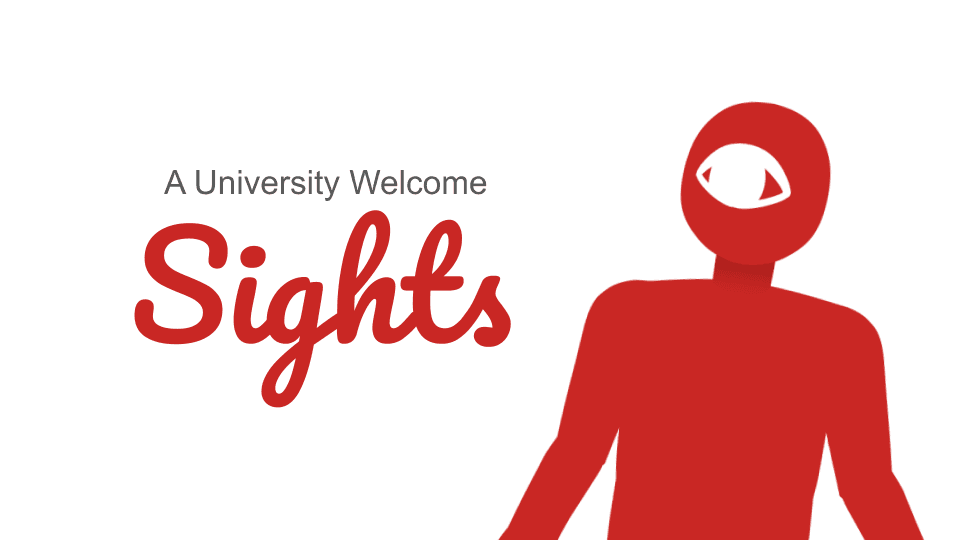
Carleton University's campus places all of its residence buildings around a single connecting courtyard that every student uses to get to their classes. Despite the ample space provided by this hub, recreational activities and orientation events hardly ever make use of it. The one location on campus that is visible by almost every student resident window is unfortuneately under-utilised, and frankly, underappreciated. This led me to wonder, how could I re-engage this space in a functional and unique way?
With this question in mind, I began my proposal for a 3D projection mapping project called Sights. Sights aimed to bring together students living in residence, mostly first years, by creating a fun and inviting environment while also functioning as a reminder of upcoming campus activities, building hype and comraderie between new students.
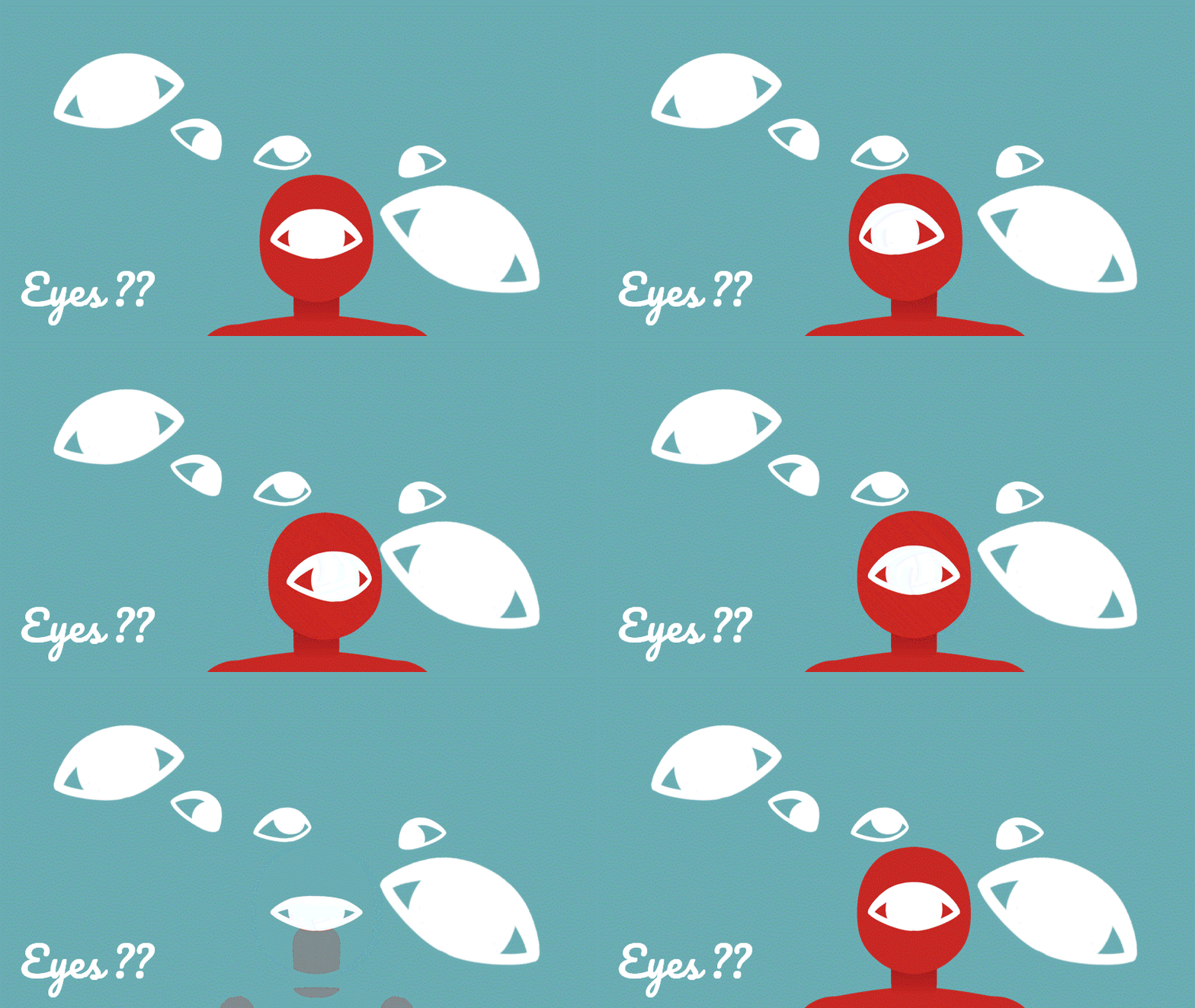
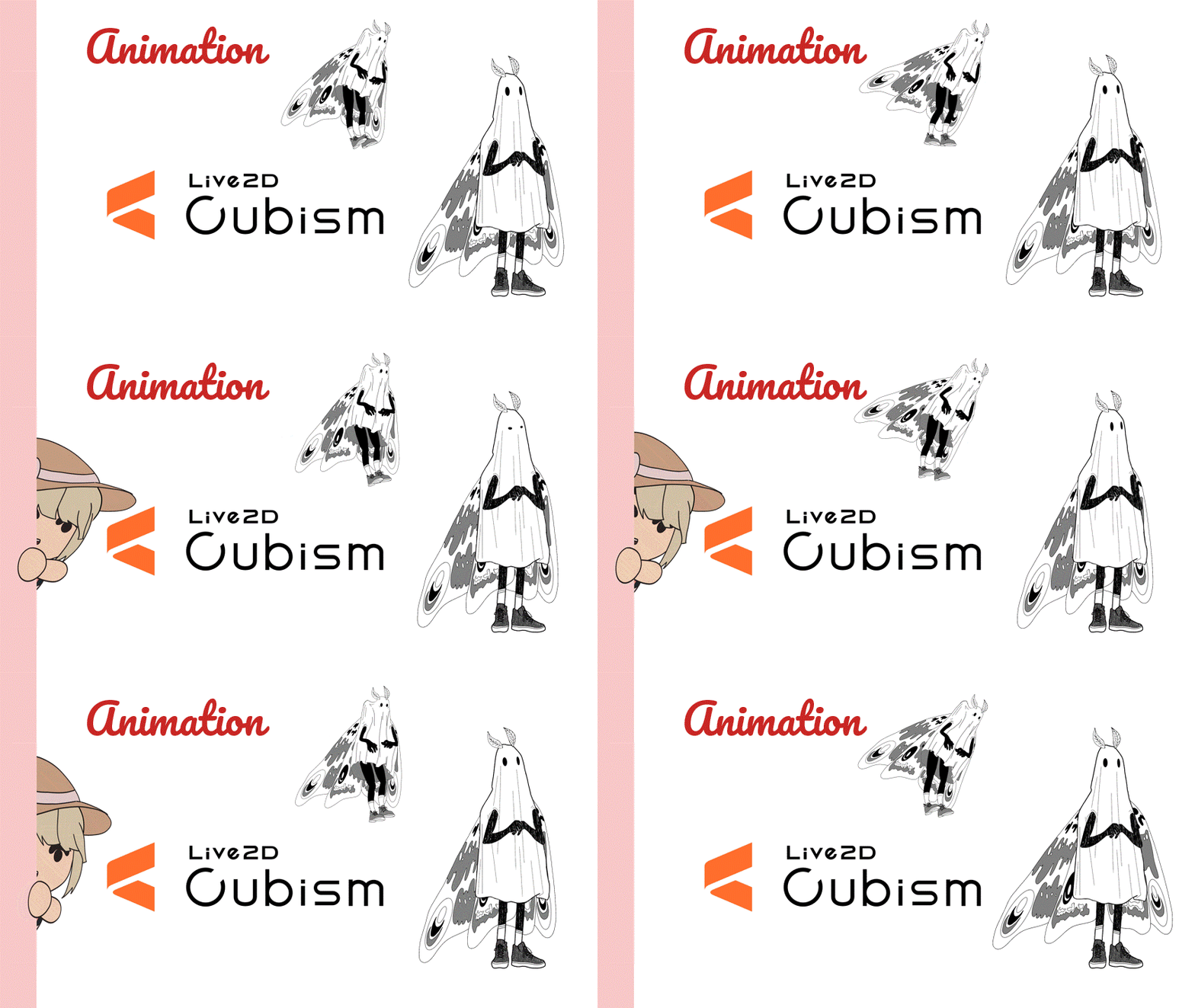
Samples of animations I've done with Live2D
My Process
The Inspiration
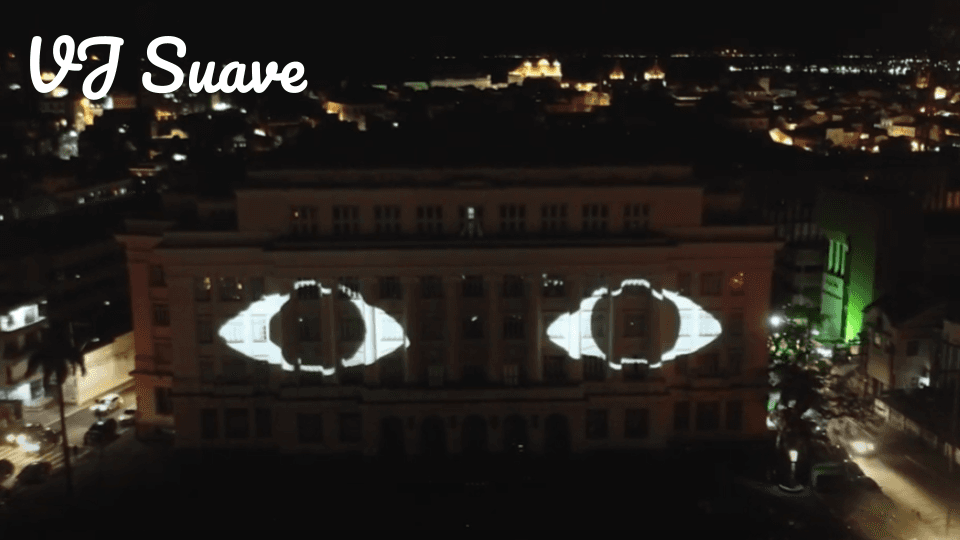
This project draws a lot of inspiration from the works of the projection mapping duo, VJ Suave. VJ Suave uses real-time animation to create charming and engaging projections that bring life to otherwise static environments. Their work is capable of connecting those of all ages through their meaningful art.
Like VJ Suave, I wanted to create an animation that would be engaging and helpful to the campus community. Diving into my interests in animation and character design, as well as taking inspiration from VJ Suave's use of eyes in the projection titled Roda de Força, I was able to generate early iterations of the visuals for Sights.
The Site
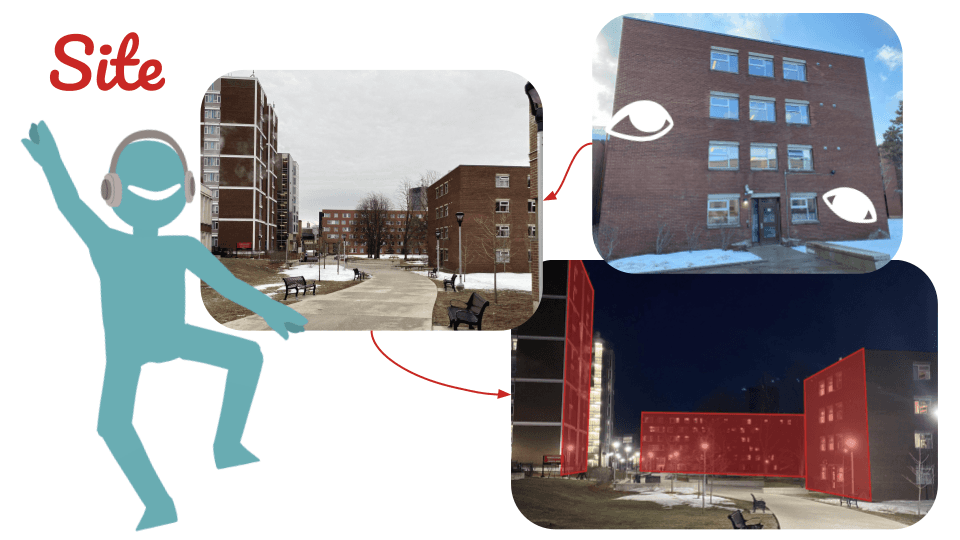
The most important factor in determining the success of this project was the site where it would take place. The site needed to be a high-traffic touchpoint that many residents could see and regularly visit, but also a good canvas for the projections to take place.
My preferred site was the exterior wall of Russell House, as it provided plenty of empty space for projections while having very minimalist windows that reminded me of eyes and could add to the ocular motifs I aimed for. More importantly, this façade faced a courtyard outside of many of the other residence buildings as well as Teraanga Commons, a hub for all residence students. In later iterations, I instead envisioned the projections expanding across multiple façades to create an immersive environmental experience.
Development
Initial iterations focused very heavily on just the eyes, having the projection's eyes move throughout the day to point towards directions of interest or lead new students towards their classes. Although the interactivity seemed promising and campus GIS data could be used to facilitate such functionality, initial presentations of the idea evolved, and the course of the project began to shift. User testing and expert feedback revealed that navigation was a secondary need compared to social engagement. An SME interview made way for the idea of a "schedule" that could visually display upcoming campus activities in an engaging way. This would not only keep the aspect of "fun" the project needed, but would encourage students to get involved in events around campus.
In developing the proof of concept for the project, I decided to focus on Frosh Week to get an idea of how I could emulate event reminders. After picking a day from last year's Frosh Week, I could then "choreograph" the animations that would be associated with each event.
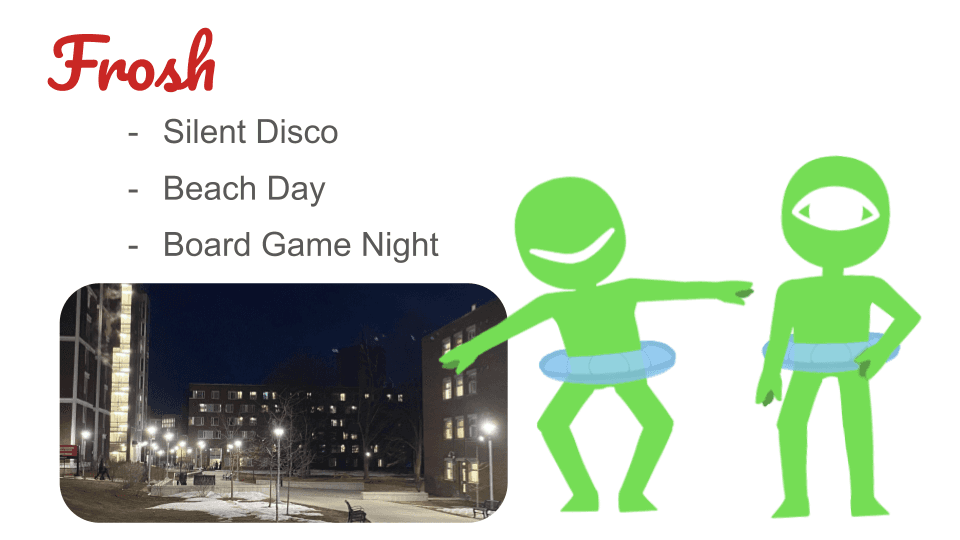
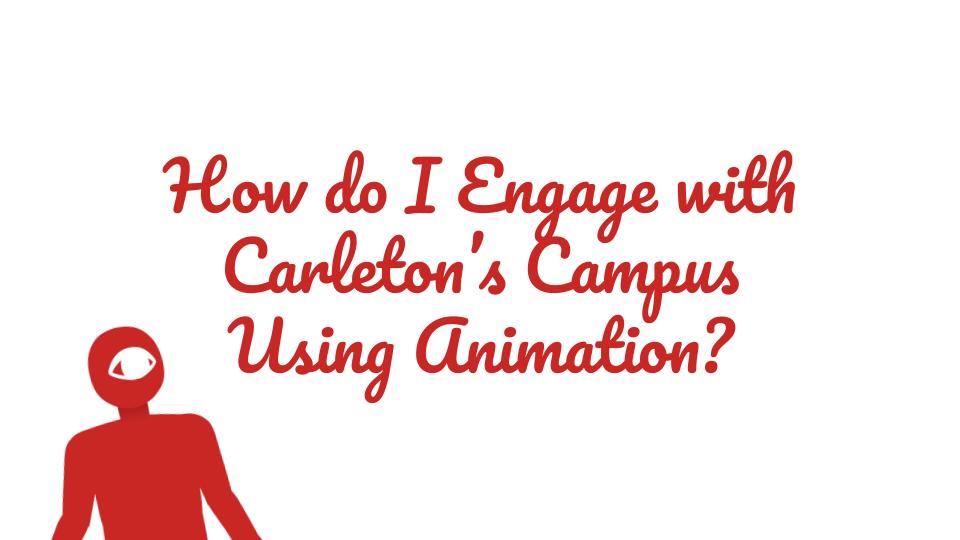
The design of the main characters was an artifact of carrying the theme of eyes throughout the development of Sights. They were drawn and rigged in Live2D, meaning they could be recycled for potential future animations.
Execution
Although I did not have access to the necessary equipment to actually create the projection, I did create a mockup of what it may look like in After Effects. To achieve the correct effect, I first needed to use the official building plans of Russell House and images I took of the façade to create an elevation I could map my project to.
Starting off with the silent disco, the figures dance while listening to the music on their headphones. Next is beach day, where the characters now go swimming together. Finally the animation transitions to figures playing a version of chess for board game night. The animations are short and playful, allowing students to understand the subject matter as quickly as possible.

Process Work:
What I Learned
My main takeaways from this project included:
The importance of early-stage iterations in clarifying that students cared less about navigation and more about opportunities to get involved.
Designing for scalability through modular assets would allow adaptations to different buildings and quick swaps of character animations.
Constraints caused by the context of the site were just opportunities to explore site-specific design motifs.
In the end, this is the resulting video and high-fidelity prototype that simulates the spatial user experience of the residence courtyard. The project brings life to this otherwise empty and underutilized courtyard and enhance student experience with a high-traffic physical touchpoint. If the project were to be fully realized, likely the buildings surrounding Russell House would receive similar treatment with various other projects. The project was designed to be scalable, being able to extend throughout the entire campus if needed. Throughout the project, the goal was to learn how to increase user retention and create fun experiences for students. By conducting small focus groups with various students and professors, the quality and character of the project could be deliberately generated to achieve these goals.